
Category: Learning
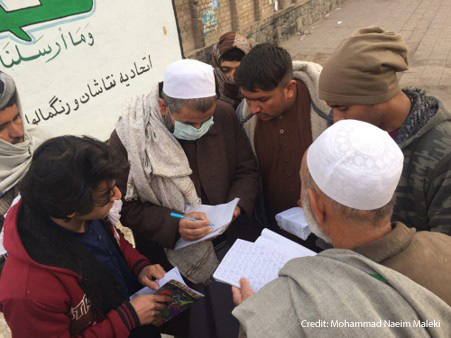
Rethinking literacy: Mobilising local knowledge to bridge the gap in adult literacy programmes in Afghanistan
What if literacy programmes started with the literacy practices that adults already use every day?
Read More
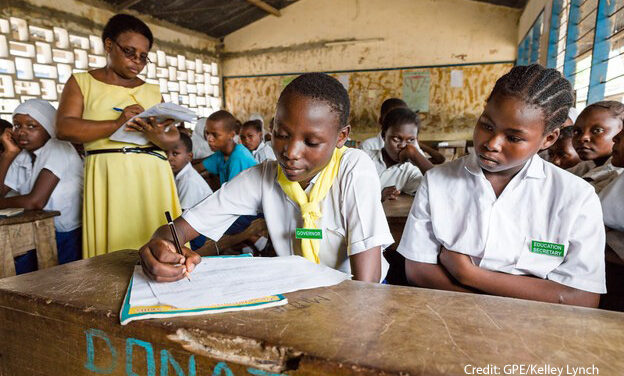
Trained teachers are not enough: Why refugee classrooms in Kenya need walls, books and a policy fix before pedagogy can work
Imagine sending a teacher through months of professional training in play-based, learner-centred instruction – and then placing her in a classroom with no walls, no textbooks and no visual materials of any kind.
Read More
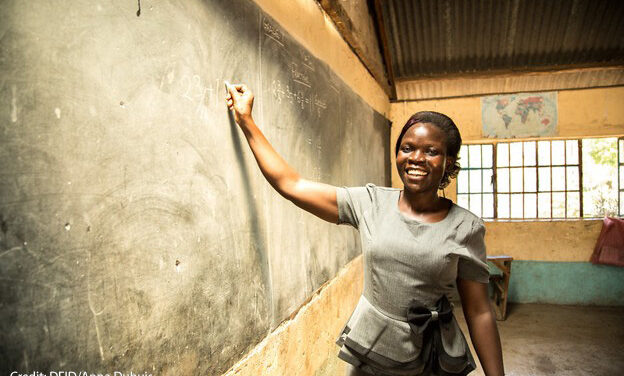
The cheapest fix nobody is using: What refugee classrooms in Kenya reveal about the power of formative assessment
In a Grade 3 classroom in Kakuma, a teacher pauses mid-lesson. She asks learners to show thumbs up or thumbs down – do you understand, or not? Some hands go up slowly, uncertainly. She notices, and she changes course before moving on. It costs nothing. It takes seconds. It may…
Read More
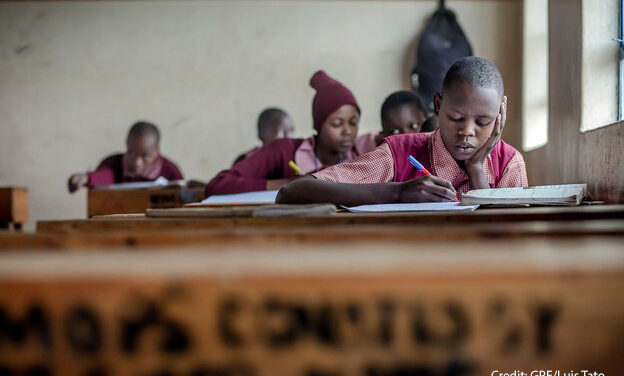
How can we make the shift from junior to senior secondary school smoother in Kenya?
After curriculum changes in Kenya, in January 2026, the first cohort of senior secondary students transitioned from junior secondary. As with many nascent initiatives, the process was confusing for teachers, parents and students alike, leading to calls from education stakeholders for better preparedness to ensure a 100% transition.
Read More
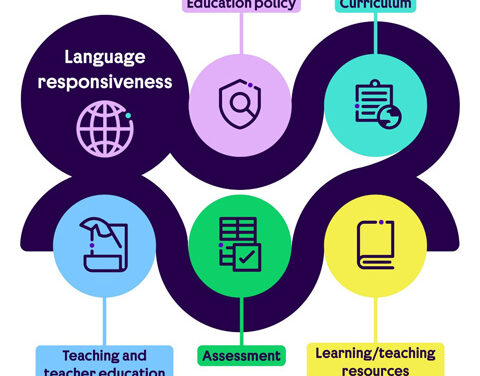
Shared perspectives on language as central to learning
This blog explores how education systems can respond more effectively to linguistic diversity through collaborative development of a language-responsive position.
Read More
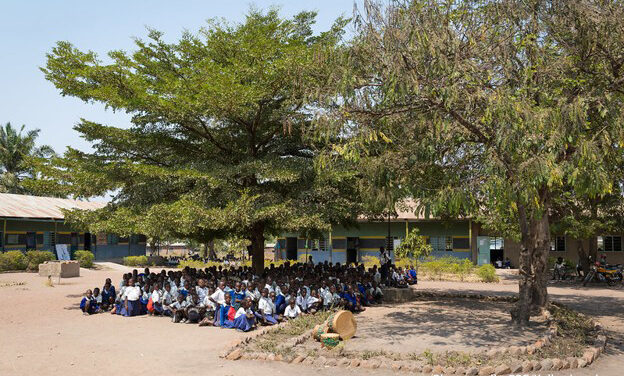
Beyond policy: Turning commitments into safer schools for every child
No child should have to choose between getting an education and feeling safe. Yet millions make that choice every day. An estimated 246 million children experience violence in and around schools each year, continuing to undermine not only children’s wellbeing, but also their ability to learn and thrive.
Read More
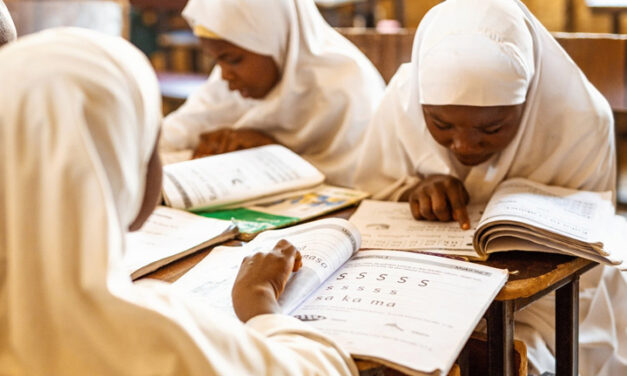
Transforming Foundational Learning for All in Nigeria: Evidence for optimism from the PLANE programme
In an increasingly unstable and unpredictable operating environment, the findings and lessons from a recent evaluation of PLANE (Partnership for Learning for All in Nigeria) – offer positive and valuable insights about transforming children's experience of primary schooling.
Read More

Understanding trauma-responsiveness: The terminology and its usage in lived contexts
This blog attempts to question terms that we have coined, borrowed or repeatedly employed in our work. Trauma-responsive is one such term that deserves closer examination.
Read More
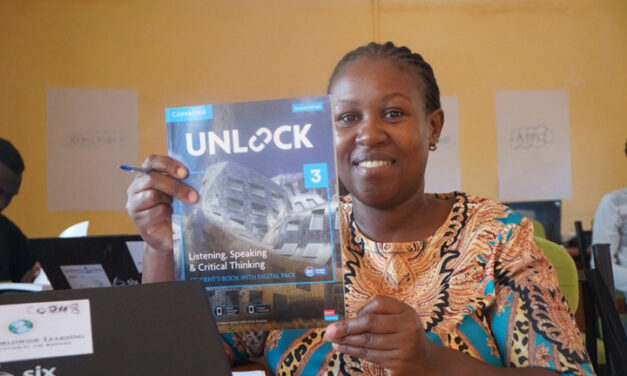
Transforming English Language pedagogy: Learning from the Global English Language Programme in refugee and post-conflict contexts
Effective language teaching in emergency and marginalised contexts requires more than grammar instruction. It demands pedagogical approaches that build communicative competence, develop life competencies and create safe learning environments for traumatised learners.
Read More
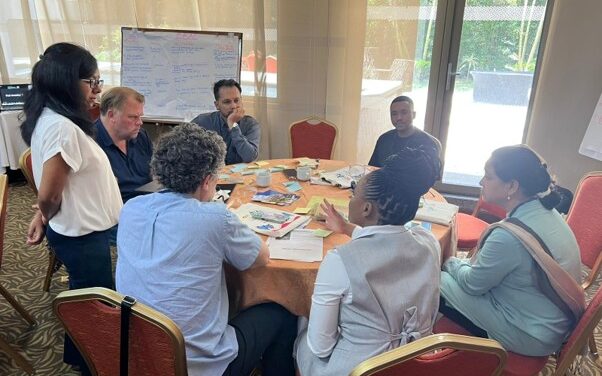
Equitable partnerships for education research: Lessons from cross-cultural collaboration in Sierra Leone and Bangladesh
In recent years, global education discourse has shifted from a focus on expanding access to schooling towards improving the quality of teaching and learning outcomes.
Read More
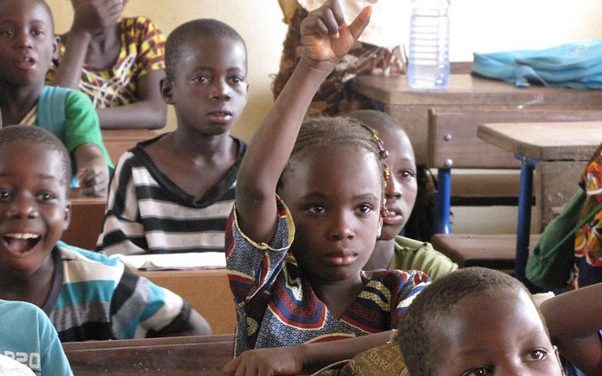
Day of the African Child
Commemorated every year on 16 June. The 2026 theme is firmly grounded in the African Charter on the Rights and Welfare of the Child – ensuring universal access to water, sanitation and hygiene for every child in Africa.
Read More
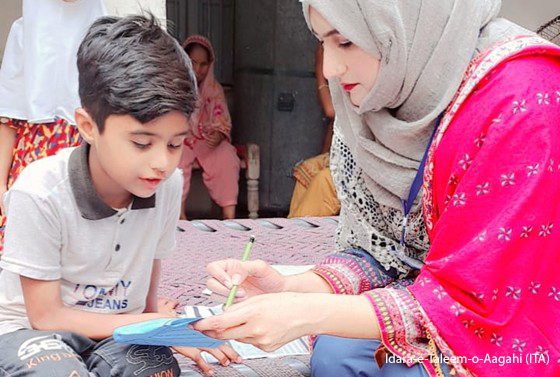
Beyond enrolment: Pakistan’s real education crisis is learning
Over the past few weeks, much of the education discourse in Pakistan has centred on one question: how many children are out of school? The debate – driven by comparisons across datasets – has drawn attention to differences in estimates and methodologies.
Read More
