Category: 2025 UKFIET Conference

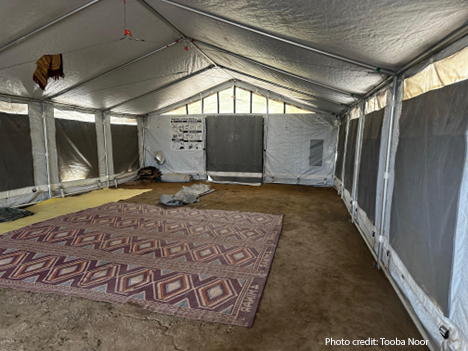
Education in emergencies: Exploring the possibilities and challenges of using Temporary Learning Centres as an alternate learning model

Education remains to be the most impacted area during emergencies, as educational systems lack mechanisms to resist and successfully encounter the recurring crises. This also exacerbates the prevailing marginalisation in educational contexts during and after crises. Read More

When education defies the odds: Higher education in Myanmar amid the ongoing political unrest

Following the 2021 coup d’état, Myanmar’s higher education has been mired in political unrest. Public universities eventually resumed their operations, yet the attendance is relatively low, with students and academics living under the thumb of stringent control and surveillance. Read More

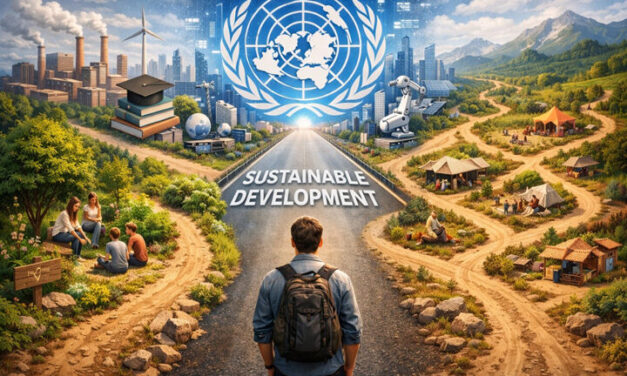
From universal frameworks to relational futures: A decolonial reflection on international education

Walking through the sessions at the UKFIET education conferences, it’s hard not to notice a pattern. Regardless of the focus of the presentation, many of them begin and are framed by the same reference point — the United Nations’ Sustainable Development Goals (SDGs). Over time, this repetition begins to feel… Read More

Learning together to prevent violence in education: Reflections from UKFIET 2025 conference

My aim for attending the conference was to share findings and lessons from a recently concluded study on school-related gender-based violence (SRGBV) from the perspectives of children with disabilities in Sierra Leone. My second objective was to learn from what other researchers and practitioners were doing to understand violence in… Read More

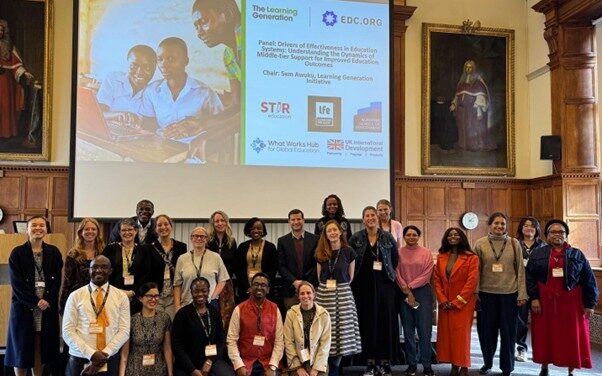
Drivers of effectiveness in education systems: An UKFIET panel on the role of the middle tier in implementing education change

There is increasing attention on the role of middle-tier officials – education system intermediaries between top decisionmakers and schools, who typically sit at the state, district, subdistrict level or similar – in implementing education policies at scale. Read More

Are our partnerships really opening doors for refugee students, or just moving the borders?

‘Nothing about us without us’, a principle invoked in many struggles for social justice, only works if we mean it. When we talked with people from refugee backgrounds and those working with them for our research (‘It’s not just opening the doors’: Challenges and possibilities for refugees’ access to higher… Read More

Relational ecologies of knowledge and practice

Struggles for cognitive justice continue to shape everyday practice in education and research. A workshop envisioned new, reparative ways of knowing and being together that prioritize community knowledges and contextual epistemologies, equitable resource distribution, and ethical funding and publication pipelines. Read More
Loading

Categories

Archives