This blog was written by Abdimalik Farah, Research Officer, Human Development Theme, African Population and Health Research Centre (APHRC)
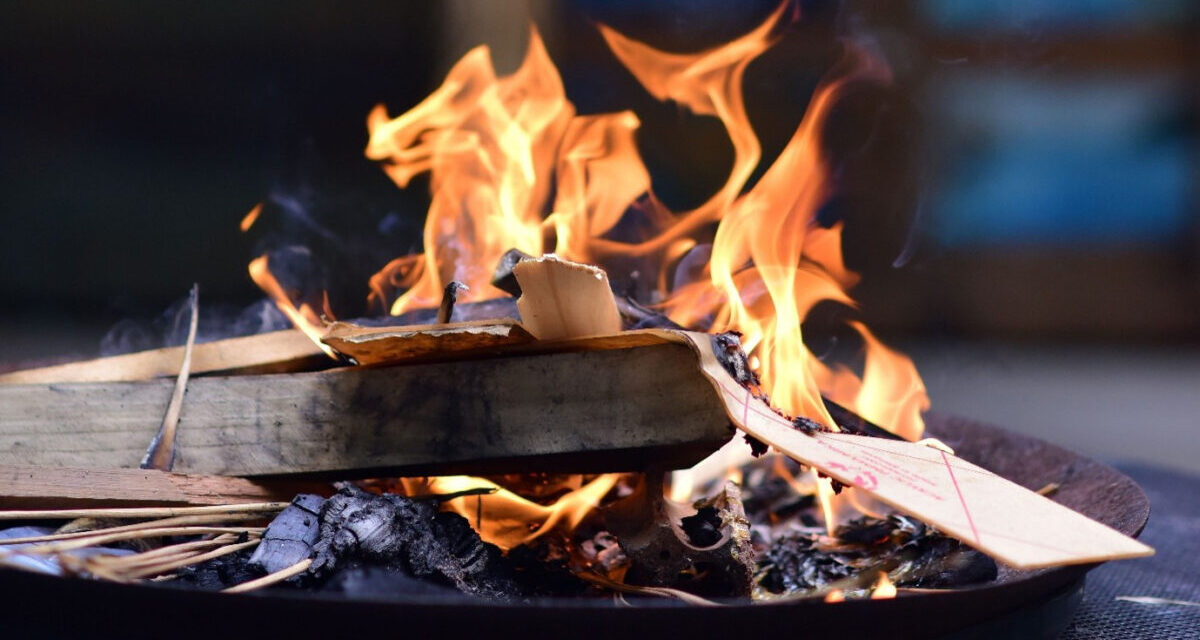
Sixteen girls are dead. Seventy-nine are injured, some having leapt through dormitory windows in the dark to escape the flames. At Utumishi Girls Academy in Gilgil, yet another chapter in a grim and recurring national tragedy was written at the end of May 2026. By the time the smoke cleared, eight students had been arrested and the familiar machinery of investigation was set in motion.
We have been here before – too many times. In 2024, 21 children died at Hillside Endarasha Academy in Nyeri. In 2017, to students perished at Moi Girls in Nairobi. In 2001, 67 were killed at Kyanguli in Machakos. Each time, a task force was convened, a report was written and the recommendations gathered dust. The Kirima Commission (1994), the Wangai Task Force (2001), the Koech Committee (2008) – Kenya has no shortage of diagnoses. What it lacks is the will to act on them.
At the African Population and Health Research Center (APHRC), Africa’s leading population and health research centre headquartered in Nairobi, our work on inclusive and quality education compels us to say plainly what the evidence shows: these fires are not a fire-safety problem. They are a child wellbeing crisis. Every time we respond with arrests and audits alone, we treat the smoke while the fire beneath keeps burning.
A pattern, not a coincidence
In 2016, Kenyan authorities recorded 130 school fires linked to student unrest. In the first month after schools reopened from pandemic lockdowns in 2021, at least 25 secondary boarding schools were torched; by year’s end, 40 more had followed. Since the start of 2026, the Kenya Red Cross has responded to 37 school fire incidents. These are not the acts of random criminality. They are the acts of children who have run out of other options.
The wave has not spared even Kenya’s most celebrated institutions. On 4 June 2026, Alliance High School, celebrating its centenary year, was closed indefinitely after a fire destroyed around 200 mattresses in a dormitory store, with 11 students detained over a planned strike. In Makueni County alone, 5 schools have been closed after students torched dormitories. Schools affected in the current term include Loreto High School Limuru, Lenana School, Naivasha Girls High School and Tarakwa High School – with unrest attributed consistently to complaints over food, living conditions and academic pressure. The Ministry of Education has confirmed it will not close schools wholesale, but the daily roll call of closures tells a different story.
Research drawn from interviews with students, teachers and school leaders across Kenyan boarding schools tells a consistent story. One student described the logic with unsettling clarity: “At first, you start with the suggestion box. If they refuse to reply, you try a riot. If that doesn’t work – then a fire.” That sentence should stop every education policymaker in their tracks.
The failures are structural, not accidental
School fires in Kenya trace back to the same converging pressures: student unrest, punitive discipline, mental health strain and dormitories so overcrowded that enrolment has long outpaced infrastructure. A government audit in 2020 found most schools lacked functioning fire extinguishers or alarms – findings that mirrored a 2016 task force report almost word for word. Both were noted. Neither was acted upon.
The Ministry of Education has, to its credit, shut down nearly 350 boarding schools since 2024 following safety audits triggered by the Endarasha fire. The Architectural Association of Kenya has since proposed comprehensive dormitory design guidelines, stipulating that no dormitory should be occupied unless every child can evacuate without a key during an emergency. But structural audits cannot fix a system in which children feel unheard. The Ministry’s own reports cite poor teacher-student relations, absent counselling and overcrowding as root causes of unrest. The diagnosis is written. The treatment remains unscripted.
Children are not the problem
Students have been arrested at Utumishi and Alliance, and justice must take its course. But before we reach for the language of criminality, we must ask a harder question: what kind of school environment drives a 16-year-old to see fire as her only voice? APHRC’s research on inclusive education consistently shows that child safety is not a peripheral concern – it is the foundation upon which all learning rests. A school that cannot safeguard the emotional and psychological wellbeing of its students will, eventually, fail to protect their physical safety too.
Four things that must change now
First, student voice must become policy. Children need real, functional channels to raise concerns – not suggestion boxes that no one reads. Student councils with genuine authority and anonymous, responsive reporting systems are evidence-based safety interventions, not optional extras.
Second, every boarding school needs a trained counsellor – not a teacher carrying a double portfolio, not just for half an hour a week. Mental health support must be adequately staffed and schools must be held to account for it.
Third, dormitory conditions must meet basic dignity standards. Overcrowded dormitories are not just a fire hazard – they are a statement to children about their worth. Enforceable standards, with real consequences for non-compliance, are long overdue.
Fourth, Kenya must implement, not just commission. The Koech Committee produced 124 recommendations. The 2016 and 2020 task forces added more. The Ministry must establish a public-facing accountability tracker – which schools, which recommendations, by when – so that the next tragedy cannot be explained away as unforeseen.
Before the next school burns
The girls of Utumishi went to school to become something. Sixteen of them will never come home. Seventy-nine carry scars – visible and invisible – that will follow them for years. Today, Alliance High School – 100 years old, a symbol of African educational aspiration – sends its students home under a cloud of smoke.
We owe these children, and every child in a boarding school dormitory tonight, more than another commission and a moment of national grief. We owe them a system that hears them before they run out of options. The evidence is in. The recommendations exist. What remains is the hardest thing: the will to act.