This blog was written by Dr Lydia Namatende-Sakwa, Associate Scientist, and Davis Muli Musyoki, Communication Officer, African Population and Health Research Center (APHRC), They both support the Education and Youth Empowerment Unit in the Human Development Theme.
In Kenya’s refugee-hosting counties, such as Turkana and Garissa, education is not just a right — it is a lifeline. For thousands of children who have fled conflict and disaster, school offers stability, protection and the only real hope for a better future. Yet, the education system in these areas is overwhelmed, underfunded and structurally unequal.
Despite national commitments to inclusive education, one group continues to be overlooked: refugee teachers. These are the trained, experienced individuals working on the frontlines of crisis, often without recognition, professional development or adequate compensation.
To be clear — there is no formal policy barrier stopping qualified refugee teachers from registering with the Teachers Service Commission (TSC). But that is only half the story. In practice, many face overwhelming hurdles: lack of proper documentation, limited access to registration processes and little clarity on how to get their foreign qualifications validated. As a result, they remain locked out of the national education workforce — unpaid, unrecognised and unsupported.
This is not just a personal injustice; it is a systemic failure. If we are serious about building resilient education systems in emergencies, we must recognise and support refugee teachers — not just in policy, but in practice.
Recognition is not the same as registration
The conversation must go beyond registration. Recognition means validating teachers’ prior learning, integrating them into national professional development pathways, and ensuring they are compensated fairly. This requires flexible certification frameworks, dedicated administrative support and, most of all, political will.
Without this recognition, the burden falls on overstretched host community teachers. Refugee learners lose out on teachers who understand their languages, experiences and emotional realities.
Invest in teacher training
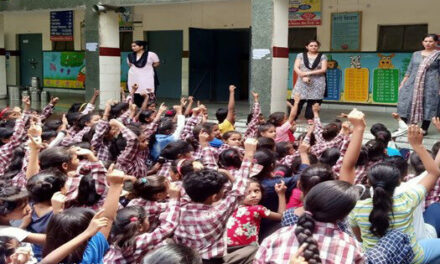
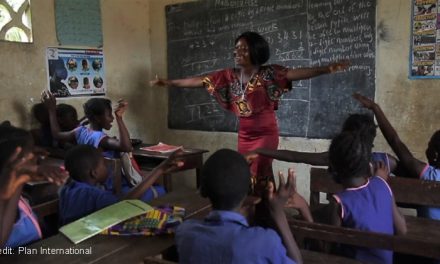
Teaching in crisis settings is no ordinary task. Teachers face classrooms of 70 or more learners, wide learning gaps and students carrying deep trauma. Programmes like TeachWell show that continuous, context-specific training — especially in Social-Emotional Learning (SEL) and Learning through Play (LtP) — can significantly improve outcomes. Kenya must invest in scaling these models nationally.
Safe schools are a right, not a luxury
In places like Dadaab and Kakuma, the lack of basic infrastructure — toilets, clean water and safe learning spaces — makes school attendance especially hard for girls and children with disabilities. Investments in WASH, mental health services and safety protocols are as essential as textbooks or blackboards.
Break the silos
NGOs, donors and government agencies too often operate in parallel, duplicating efforts and competing for attention. We urgently need a national coordination platform for Education in Emergencies — one that harmonises programmes, timelines and data-sharing to maximise impact.
From policy to practice
Kenya’s inclusive education policy is strong on paper. But without enforcement and funding, policies remain promises. Refugee schools and learners deserve full integration into the national system — with equitable access to resources, exams and opportunities.
Let evidence lead
We know what works. Research from the African Population and Health Research Center (APHRC), including findings from the TeachWell project, highlights scalable, effective models for refugee education. We now need the courage to act on this evidence — and to centre it in every policy and funding decision.
Refugee education is not a humanitarian afterthought. It is a test of our national values and our commitment to leaving no one behind. Recognising and empowering refugee teachers is not just the right thing to do — it is the smart thing to do. Without them, we risk losing an entire generation.