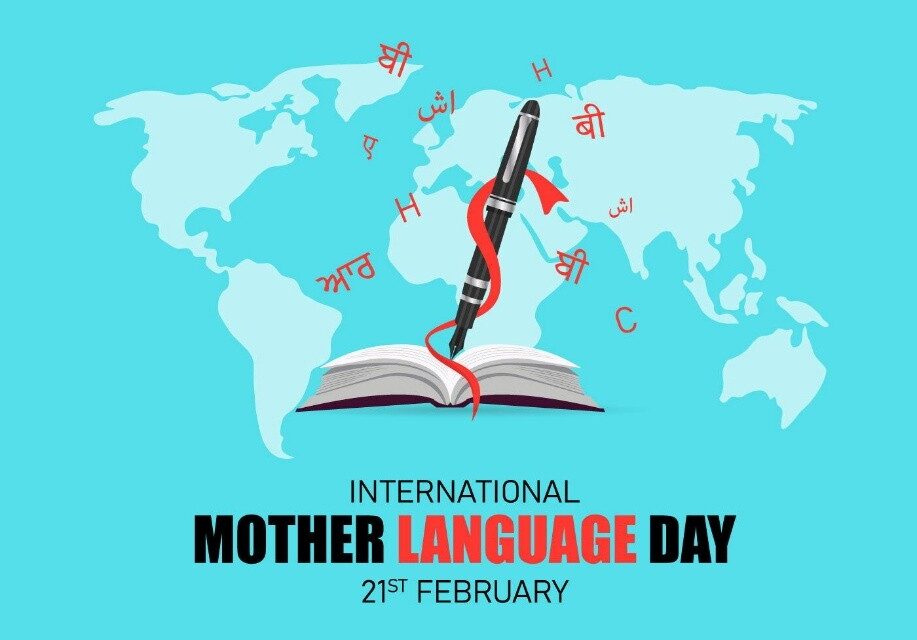
International Mother Language Day is celebrated on 21 February to underscore the role of languages in promoting inclusion and achieving the SDGs. Multilingual education not only promotes inclusive societies but also aids in preserving non-dominant, minority and indigenous languages. It is a cornerstone for achieving equitable access to education and lifelong learning opportunities for all individuals.
The theme for 2026 is: Youth voices on multilingual education
This collection of blogs published on UKFIET stress the importance of preserving language and learning in one’s own mother tongue:
Addressing the neglected area of language(s) in assessment and evaluation
Beyond the cursory: Creating a space for sustained dialogues on language in education
Why is language critical in education during crises?
Arguing for a language-focused approach to support socio-emotional learning and wellbeing
The impact of the language of instruction on foundational literacy and transitions
Event highlights: Language and its critical role in education and training around the world
The power of communication: How sign language connected a father to his deaf son in Uganda
Films for teachers: Supporting language and literacy (pre-)school pedagogy in India
Language comprehension is important for mathematics learning
Why language of instruction is a policy priority for girls’ education in sub-Saharan Africa
The centrality of language for learning
Where there is no data: what happens when humanitarian education programmes lack language data