
This blog was written by Dr Sunrita Dhar-Bhattacharjee, Associate Professor and Principal Fellow Advanced HE, Anglia Ruskin University, Cambridge, and Dr Debojyoti Das, Assistant Professor, University of Birmingham.
Post-Covid, the challenge in India is achieving an equal access to education for all, where the word ‘access’ seems a heightened concern. Looking at the previous statistics from the country, it is noted that the digital access in terms of a device (computer/laptop), teacher (who is proficient of taking an online class), and digitally-prepared individual (a student with digital preparedness) was only 9 per cent. This was also confirmed by the reports from the National Statistics Office, which clearly highlighted the digital divide in the nation.
Education is both a goal and a means to attaining all the other Sustainable Development Goals (SDGs). It is not only an integral part of sustainable development, but also a key enabler for it. Addressing quality education (SDG 4), gender equality (SDG 5), and strong institutions for peace and justice (SDG 16) are important in developing sustainable communities. The SDGs have become a worldwide anchor point and a common frame for strategic action plans and decisions to address grand societal challenges.
With only four years to reach the 2030 Agenda, it is an uphill challenge to meet the SDG 4 goals with regards to quality education in India. The pandemic has further worsened the progress towards quality education. As it stands, learning is yet to reach the pre-Covid level, and the learning deficit is more acute in relatively younger children according to the Annual Status of Education Report (ASER), 2022, released by NGO Pratham. West Bengal is among the states with the lowest private school enrolment yet highest private tuition numbers. Previous research indicates almost 75 per cent of students in classes I-VIII in West Bengal took private tuition outside of school in 2022. This is the highest in India; the all-India percentage was 30.5 (ibid). Another recent research paper by McKinsey reports that the impact of the pandemic on K–12 learning left students an average of five months behind in mathematics and four months behind in reading by the end of the 2020-2021 school year. The absence of face-to-face teaching and a teaching-learning activity in government primary schools for over 18 months during the pandemic has also created a disparity in learning between government and private school students. These figures only indicate the urgency of tackling and addressing these issues.
Findings from research on ‘access to education and technology during Covid’, funded by Anglia Ruskin University’s Global Challenges Research Fund (GCRF) in the three most populous regions in India i.e., New Delhi, Uttar Pradesh and West Bengal, shows the following:
Economic disparities
The pandemic highlighted significant socio-economic and gender disparities that influenced access to and quality of education. These disparities were more pronounced in economically-weaker sections and among female students, affecting their ability to participate in and benefit from digital education. Economic background also played a pivotal role in determining access to quality education during the pandemic. Students from economically-disadvantaged families faced numerous challenges, including limited access to digital devices and internet connectivity, which directly impacted their ability to engage in online learning.
Gender inequality
Gender inequality emerged as a significant barrier to educational access and quality. Girls had less access to digital devices compared to boys and were burdened with additional household responsibilities, which hindered their participation in online learning. These disparities highlight the need for targeted interventions and policies that address economic and gender inequalities to ensure equitable access to quality education for all students.
Digital resilience
The concept of digital resilience within the Indian education sector has been multifaceted, encapsulating the ability of schools, teachers and students to adapt to the rapid shift to online learning instigated by the pandemic. In Delhi, digital resilience was characterised by a proactive approach to technology adoption. Educational institutions leveraged available digital tools to ensure continuity of learning. In contrast, the experiences in Uttar Pradesh and West Bengal reflect a more complex reality. The initiatives here were often constrained by infrastructural and socio-economic limitations, leading to a digital education narrative different to that of Delhi. The data revealed a marked disparity in digital resilience between private and public schools. While private schools demonstrated resourcefulness and innovation, public institutions encountered significant barriers due to inadequate resources. These diverse experiences across Delhi, Uttar Pradesh and West Bengal underscore the nuanced nature of digital resilience in the Indian education sector. They indicate that digital resilience transcends mere technological adoption.
Disparities between urban and rural settings
We investigated the educational experiences of students and teachers within Delhi, Uttar Pradesh and West Bengal and this examination reveals how disparities between urban and rural settings, coupled with economic disadvantage and gendered barriers, significantly shaped the educational experiences of students and educators. The findings provide insights into the multifaceted challenges encountered and highlight the varying degrees of educational quality across these regions. The disparities in educational quality across Delhi, Uttar Pradesh and West Bengal during the pandemic and beyond were significant and influenced by regional differences in resources, infrastructure, and socio-economic conditions. These disparities were especially pronounced between private and public schools, as well as urban and rural areas. While private schools in urban Delhi managed to maintain a higher standard of education, public schools, especially in rural areas of Uttar Pradesh and West Bengal, faced more acute challenges.
The conclusions stress the urgent need for inclusive and equitable educational policies and practices to guarantee quality education for all students. This imperative calls for continued investment in digital infrastructure and literacy to enhance the efficacy of online education. The pandemic has highlighted the critical importance of preparing for future crises by developing robust digital education systems resilient to disruptions and protective of every child’s right to education. Clearly, India needs more inclusive policies to ensure every child—regardless of gender or income—has a fair chance at quality education.
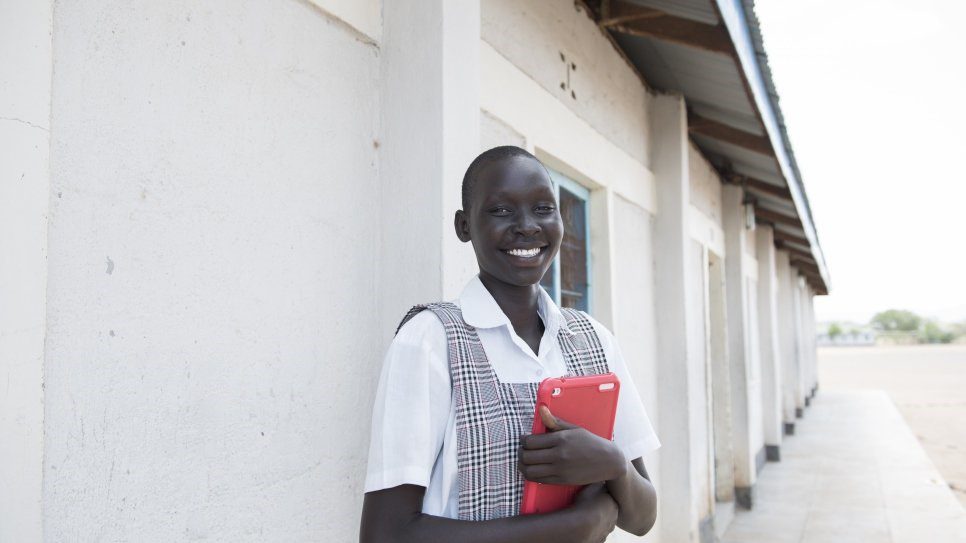

Education in India has expanded considerably, but equal access remains a challenge. The digital divide shows that simply having schools and online learning platforms is not enough when students do not have equal access to devices, connectivity and adequate support. Bridging these gaps is essential for making education genuinely inclusive.